In the Future, the User Makes the Tool
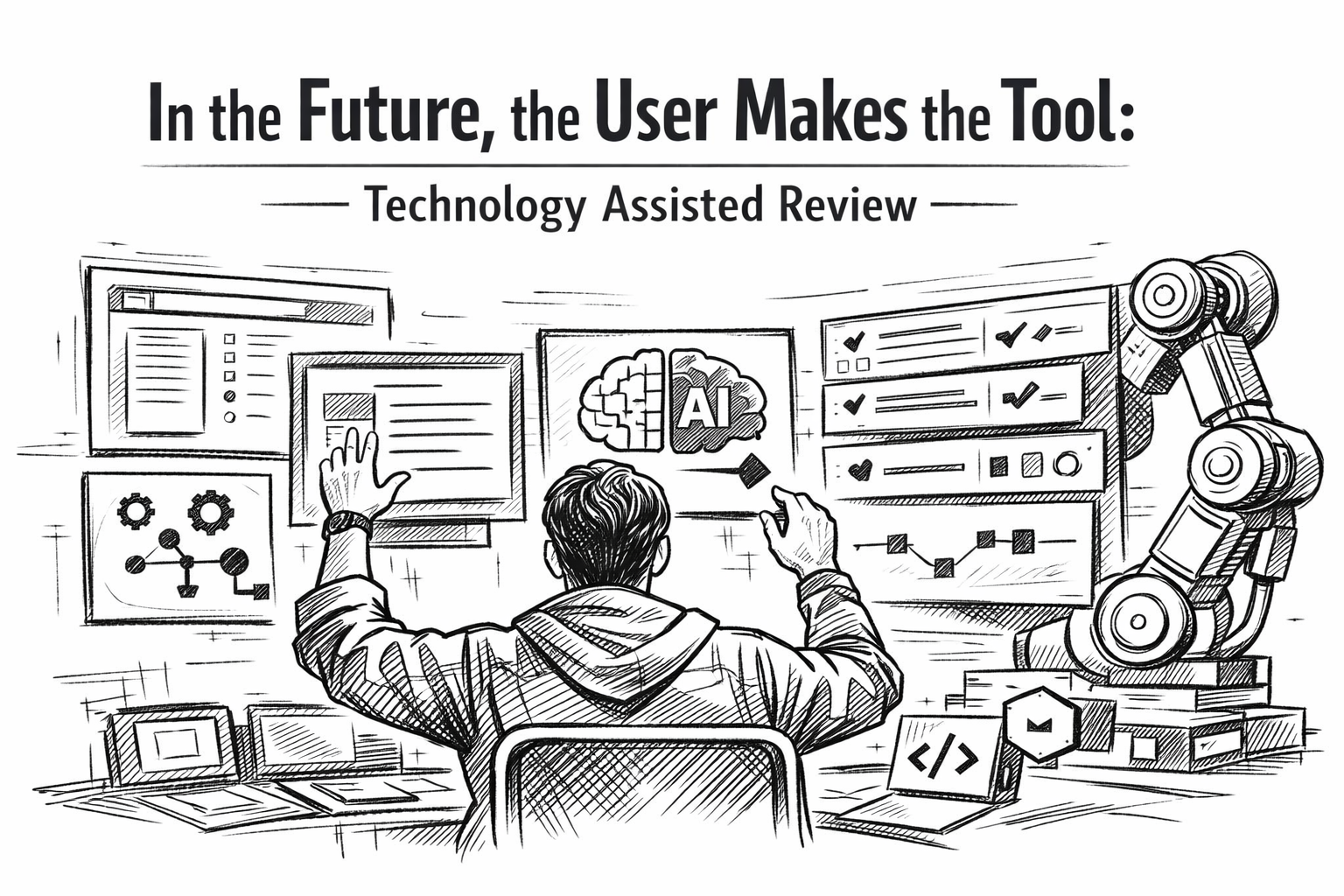
The best AI tools in eDiscovery isn't the one that does the most, it's the one that adapts to the legal teams' strategy. As legal AI tools become more ubiquitious, the people who shape those tools become even more important. For years, legal teams have been forced to adapt their workflows to fit rigid software. Those days are over. The legal teams that learn how best to use and adapt the tools avalible to them, will be the legal teams that get ahead in the coming age of AI in eDiscovery.
"The best AI in eDiscovery isn't the one that does the most , it's the one that adapts to the legal teams' strategy."
eDiscovery Today's 2026 State of the Industry Report found that "Lack of eDiscovery Competence within Legal" remains the #1 under-discussed challenge for the sixth year running Nextpoint. That's a design problem, not a people problem. If practitioners still struggle to use the tools after six years of the same complaint, maybe the tools need to meet the practitioners where they are.
Legal teams do recognize that AI in eDiscovery is the future. Lighthouse's 2025 State of AI in eDiscovery report found a 95% increase in enterprise AI adoption year over year, with 72% of respondents expressing a positive outlook on AI's impact in legal Business Wire. But here's what stood out to me: the top motivators for adoption were team productivity (67%) and freeing attorneys to focus on high-value work (56%) Lighthouse. Not feature lists. Not buzzwords. People want tools that get out of the way and let them do their jobs better.
- 95% increase in enterprise AI adoption
- 72% of respondents expressing a positive outlook on AI's impact
- 67% or respondents state the top motivators for adoption were team productivity
Legal teams need to be considering all strategies and tools when it comes to complex litigation and rising client demands. Nearly every workflow can be improved, streamlined, or reimagined. And if there is not yet a tool that solves a specific problem, that should not be the end of the conversation. Increasingly, legal teams should expect to build, customize, or help shape the solutions they need. The future of eDiscovery and technology assisted review is not just about using better tools. It is about users becoming more active in designing the workflows and systems that fit the matter, the client, and the moment.